মেন্টরশিপের গুরুত্ব: কেন ইন্ডাস্ট্রি বিশেষজ্ঞদের কাছ থেকে শেখা জরুরি
Lead Analyst
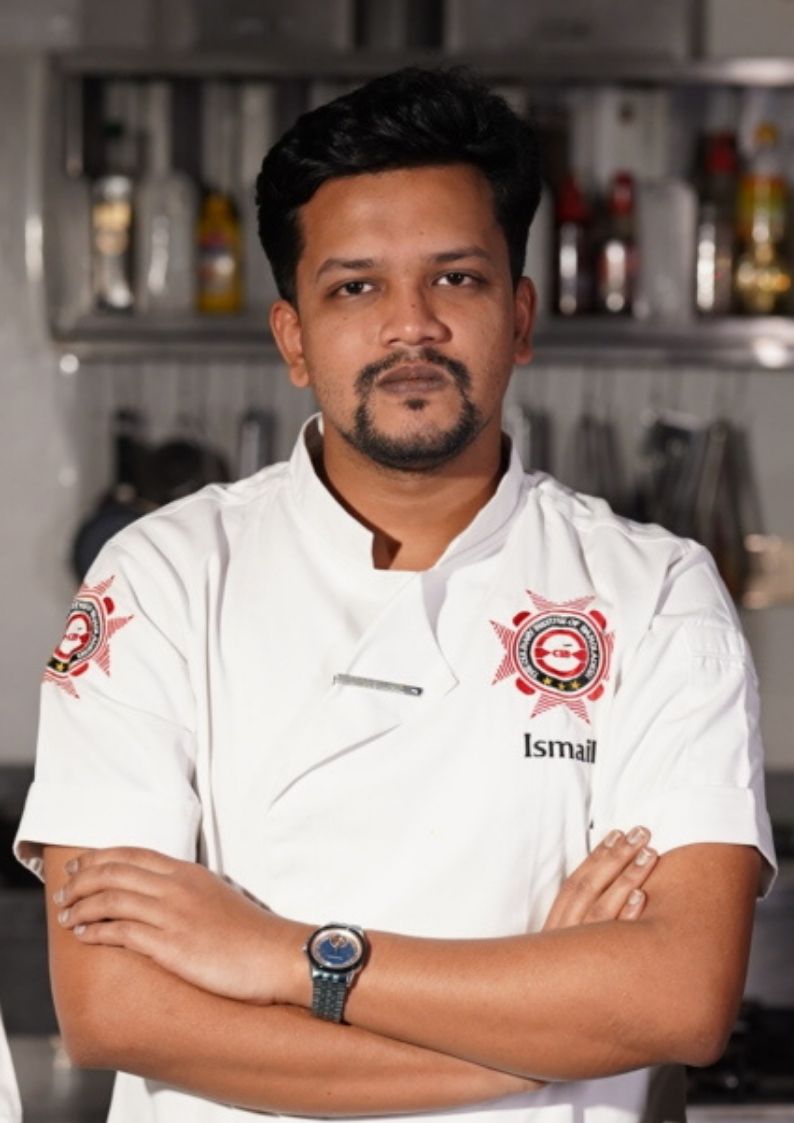
Dewan Ismail


Mentorship Matters: Why Learning from Industry Veterans is Vital
(Translation Pending: This content is currently in English as per project requirements)
In the culinary world, there is a profound difference between following a recipe and understanding the soul of a dish. While YouTube and cookbooks can provide the 'what', only a mentor can provide the 'why'. In 2026, as the industry becomes more specialized and technically demanding, the guidance of a seasoned professional is the most valuable asset an aspiring chef can have. This is why finding the best culinary mentors in Bangladesh is the first step toward a global career.
At the Culinary Institute of Bangladesh (CIB), mentorship is not just a part of our curriculum—it is our core philosophy. Our students don't just learn from instructors; they learn from industry veterans who have spent decades in high-pressure 5-star environments.
1. Beyond the Recipe: Learning the 'Chef’s Instinct'
A recipe is a static set of instructions, but a kitchen is a dynamic environment. A mentor teaches you how to adjust when an ingredient isn't perfect, how to sense when a sauce is about to break, and how to manage the intense heat and pace of a service.
Mentors like Dewan Ismail bring a wealth of 'Institutional Memory' to the classroom. By learning from someone who has managed thousands of services, students develop a 'Chef’s Instinct' that cannot be found in any book. This hands-on guidance is a key feature of our Professional Chef Courses.
2. Mastery of Industrial Discipline
Cooking at home is a leisure activity; cooking in a 5-star hotel is a high-stakes performance. A mentor instills the industrial discipline required to succeed. This includes everything from the precision of your knife skills to the way you maintain your station and interact with your team.
At CIB, our mentors enforce strict standards of punctuality, hygiene (aligned with ISO-HACCP), and professionalism. This discipline is what prepares our graduates for the rigors of chef jobs abroad, where technical mastery must be matched by operational excellence.
3. Navigating the Business of Food
Being a chef in 2026 requires an understanding of the bottom line. Mentors who have held executive chef roles understand the business side of the kitchen—from food costing to menu engineering and business licensing.
Learning these 'Hidden Skills' from a mentor who has actually balanced a multimillion-taka food budget is invaluable. At CIB, we provide students with the commercial intelligence needed to not just work in a kitchen, but to run one profitably. Our Expert Culinary Mentors are always available to provide career guidance to our alumni.
4. Networking and Industry Access
In the hospitality industry, who you know is often as important as what you know. A mentor provides a bridge to the industry. Mentors at CIB have deep connections with 5-star hotels, luxury resorts, and international hospitality groups.
A recommendation from a respected mentor can open doors that are otherwise closed. Our Certificate Verification System further bolsters this trust, providing employers with instant proof of a student's technical standing under our mentors' guidance.
5. Emotional Resilience and Leadership
The kitchen is a high-stress environment. A mentor provides the emotional support and leadership training needed to survive the 'Long Hours' and 'Holiday Shifts'. They teach you how to stay calm under pressure and how to lead a diverse team with respect and authority.
If you are ready to learn from the best culinary mentors in Bangladesh, visit our Admission page to see our upcoming intake dates. Your journey from a student to a culinary leader starts with the right guidance.
About the Author
Dewan Ismail is the Principal and Lead Culinary Mentor at the Culinary Institute of Bangladesh (CIB). With over two decades of experience in high-end culinary arts and hospitality management, he has trained thousands of aspiring chefs who now lead kitchens in 5-star hotels globally. He is a certified ISO-HACCP professional and holds advanced credentials from the UK. Under his leadership, CIB has become the nexus of culinary excellence in South Asia.
Learn more about our Expert Culinary Mentors →
Frequently Asked Questions
Who are the primary mentors at CIB Dhaka?
Our lead mentors include Dewan Ismail (Principal) and Rafeya Chowdhury (Pastry Expert), both of whom have extensive international and local 5-star experience.
Does CIB offer one-on-one mentorship sessions?
While classes are in groups, our mentors provide individualized feedback during practical labs to ensure every student masters the required technical skills.
Can I contact my mentors after I graduate?
Yes. CIB maintains a strong alumni network, and our mentors often provide career advice and placement assistance to graduates throughout their careers.
How does mentorship impact my job placement?
Mentors often recommend top-performing students directly to their industry contacts in 5-star hotels, significantly speeding up the employment process.
Is the mentorship at CIB aligned with international standards?
Absolutely. Our mentors are certified by international bodies (UK, NSDA), ensuring that the guidance they provide meets the highest global culinary standards.
কুইক অ্যানসারস (PAA)
ভয়েস ও সার্চ ইঞ্জিন FAQ
Understanding best culinary mentors in Bangladesh is crucial for career advancement. It ensures you meet industry standards, allowing you to secure premium positions in 5-star hotels and international markets.
CIB provides intensive, 100% practical training specifically designed around best culinary mentors in Bangladesh. Our NSDA-accredited curriculum ensures you gain hands-on experience under the guidance of Master Chefs.
Yes. International recruiters in the Gulf and Europe heavily prioritize best culinary mentors in Bangladesh. Demonstrating competency in this area significantly boosts your chances of passing practical trade tests.
Professionals skilled in best culinary mentors in Bangladesh can expect starting salaries of 25,000-45,000 BDT locally, and 65,000-95,000 BDT in international 5-star placements. Executive positions pay substantially more.
সচরাচর জিজ্ঞাসিত প্রশ্নাবলী (FAQ)
Why is best culinary mentors in Bangladesh important for culinary professionals?
How can CIB help me master best culinary mentors in Bangladesh?
Is best culinary mentors in Bangladesh relevant for jobs abroad?
What is the average salary after learning best culinary mentors in Bangladesh?
Does best culinary mentors in Bangladesh training include certification?