
From Chaos to Control: Essential Kitchen Management Tips for New Chefs
Lead Analyst
Salman Iqbal


From Chaos to Control: Essential Kitchen Management Tips for New Chefs
The transition from being a skilled cook to becoming an effective kitchen manager is one of the most challenging leaps in a culinary career. In 2026, the complexity of modern food service—from high-volume cloud kitchens to fine-dining establishments—demands more than just technical cooking ability. It requires a strategic understanding of operations, people management, and financial oversight. These kitchen management tips are designed to help new chefs take control of their environment and lead their teams to success.
At the Culinary Institute of Bangladesh (CIB), our leadership modules are taught by industry veterans like Dewan Ismail, who have managed some of the busiest 5-star kitchens in the world. We believe that a well-managed kitchen is the foundation of a profitable and sustainable food business.
1. Mastering Inventory and Food Cost Control
A kitchen's profitability is won or lost in the storeroom. One of the most vital kitchen management tips is to implement a rigorous inventory tracking system. You must know exactly what is coming in and exactly what is being wasted.
Key Strategies:
- Daily Stock Checks: Tracking perishable items daily to prevent spoilage.
- Yield Analysis: Understanding the usable product from every raw ingredient to refine your food costing formula.
- Supplier Management: Building strong relationships with reliable vendors to ensure consistency and better pricing.
At CIB, our commercial lab serves as a training ground for students to learn these logistics in a real-world setting, using the same inventory management software found in international hotels.
2. Optimizing Workflow and Station Management
Efficiency in a kitchen is the result of intelligent design. A manager must ensure that every chef has everything they need within arm's reach. This 'Mise en Place' extends beyond individual stations to the entire kitchen workflow.
We teach our students how to analyze 'Kitchen Flow' to minimize cross-traffic and reduce 'Dead Time' during service. Understanding the different sections—Saucier, Garde Manger, Patissier—and how they interact is essential for anyone aspiring to executive chef roles.
3. Leadership and Team Psychology
A commercial kitchen is a high-pressure environment where emotions can run high. Effective management requires strong emotional intelligence. You aren't just managing recipes; you are managing people.
Management Essentials:
- Clear Communication: Using standard terminology and ensuring every team member knows their specific responsibilities.
- Leading by Example: Maintaining the highest standards of uniform, punctuality, and professional knife skills.
- Mentorship: Investing time in training your junior staff. A manager is only as good as their weakest cook.
Mentorship is the cornerstone of the CIB philosophy. Our Expert Culinary Mentors guide students on how to build a culture of respect and excellence in their future kitchens.
4. Rigorous Hygiene and Compliance (ISO-HACCP)
In 2026, compliance with safety standards like ISO-HACCP is not just a legal requirement; it's a brand promise. A kitchen manager is the guardian of food safety. You must implement and enforce strict cleaning schedules, temperature logs, and cross-contamination protocols.
Regular audits and training sessions are necessary to keep the team sharp. At CIB, our graduates are trained to be 'Safety Leaders', ensuring their businesses are always ready for licensing inspections. Our Certificate Verification System further confirms that our graduates have been tested on these critical management standards.
5. Continuous Learning and Adaptation
The culinary industry never stands still. New technologies, dietary trends, and sustainable practices are constantly emerging. An effective manager stays curious. Whether it is attending a short culinary course or staying updated on global trends, continuous education is key.
If you are ready to move from the line to the office, explore our Admission page for advanced management diplomas that provide the skills needed to lead the next generation of Bangladeshi kitchens.
About the Author
Dewan Ismail is the Principal and Lead Culinary Mentor at the Culinary Institute of Bangladesh (CIB). With over two decades of experience in high-end culinary arts and hospitality management, he has trained thousands of aspiring chefs who now lead kitchens in 5-star hotels globally. He is a certified ISO-HACCP professional and holds advanced credentials from the UK. Under his leadership, CIB has become the nexus of culinary excellence in South Asia.
Learn more about our Expert Culinary Mentors →
Frequently Asked Questions
What is the most important skill for a kitchen manager?
While technical cooking is important, 'Communication' is the most vital skill. You must be able to give clear, calm instructions even in the heat of a busy service.
How can I reduce food waste in my kitchen?
Implement the FIFO (First In, First Out) method, standardize portion sizes using scales, and train your staff on high-yield butchery and prep techniques.
Does CIB offer management-specific training?
Yes. Our 'Professional Chef Course' includes management modules, and we offer advanced diplomas focused specifically on Kitchen Operations and Hospitality Management.
How do I handle a conflict between two chefs in my team?
Address the issue immediately and privately. Focus on the 'Standard of Operation' rather than personal feelings, and ensure both parties understand the common goal: the guest's experience.
What is a 'Menu Engineering' and why is it part of management?
Menu engineering is the study of the profitability and popularity of menu items. A manager uses this data to decide which dishes to promote, re-price, or remove to maximize the restaurant's bottom line.
Quick Answers (PAA)
Voice & Search Engine FAQs
Understanding kitchen management tips is crucial for career advancement. It ensures you meet industry standards, allowing you to secure premium positions in 5-star hotels and international markets.
CIB provides intensive, 100% practical training specifically designed around kitchen management tips. Our NSDA-accredited curriculum ensures you gain hands-on experience under the guidance of Master Chefs.
Yes. International recruiters in the Gulf and Europe heavily prioritize kitchen management tips. Demonstrating competency in this area significantly boosts your chances of passing practical trade tests.
Professionals skilled in kitchen management tips can expect starting salaries of 25,000-45,000 BDT locally, and 65,000-95,000 BDT in international 5-star placements. Executive positions pay substantially more.
Frequently Asked Questions (FAQ)
Why is kitchen management tips important for culinary professionals?
How can CIB help me master kitchen management tips?
Is kitchen management tips relevant for jobs abroad?
What is the average salary after learning kitchen management tips?
Does kitchen management tips training include certification?
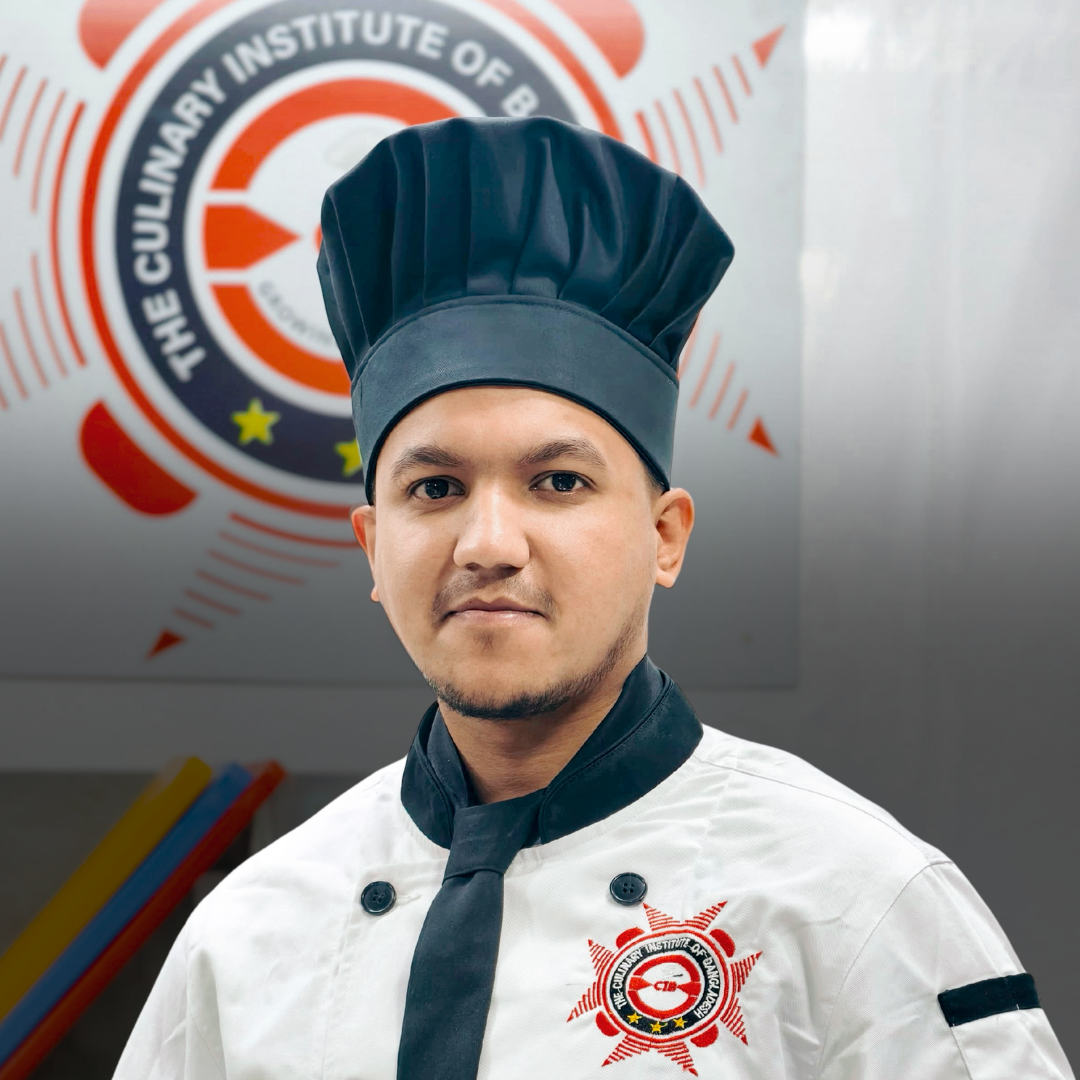
Salman Iqbal
Brand Manager