The Secret to Authentic Italian Cuisine: From Pasta to Risotto
Lead Analyst
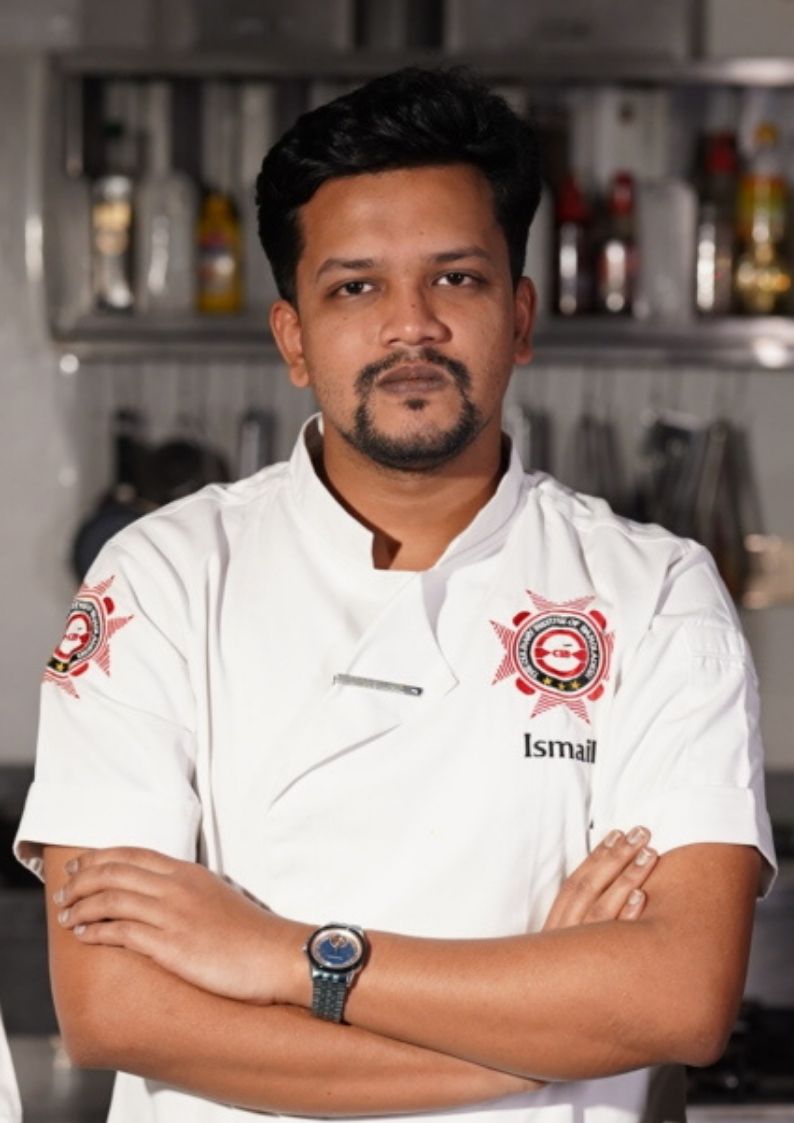
Dewan Ismail

The Secret to Authentic Italian Cuisine: From Pasta to Risotto & Italian Cuisine Training Dhaka
Understanding Italian cuisine training Dhaka is essential. Italian cuisine is one of the most beloved yet frequently misunderstood culinary traditions in the world. In Bangladesh, while Italian dishes are available on almost every menu, the gap between 'commercial pasta' and 'authentic Italian gastronomy' is significant. As we move into 2026, the demand for authentic global flavors is rising, making specialized Italian cuisine training in Dhaka a vital asset for any professional chef.
At the Culinary Institute of Bangladesh (CIB), we don't just teach you how to cook Italian food; we teach you the philosophy of 'Semplice' (simplicity) and the technical rigor required to honor traditional recipes. Our modules are led by expert culinary mentors like Dewan Ismail, who have mastered these techniques in international 5-star environments.
1. The Art of Handmade Pasta: Flour, Water, and Technique and Italian Cuisine Training Dhaka
The foundation of any authentic Italian kitchen is handmade pasta. Unlike dry pasta, fresh pasta requires a deep understanding of hydration and gluten development. Our Italian cuisine training in Dhaka includes intensive labs on:
- Dough Mastery: Learning the correct ratio of semolina to '00' flour and the role of egg yolks in creating rich, silky pasta.
- Shape and Texture: From hand-cut pappardelle to filled ravioli and tortellini.
- Extrusion and Drying: Using professional equipment in our commercial lab to create consistent, high-quality pasta at scale.
2. Mastering the Risotto: Texture and Temperature
A perfect risotto is a technical feat. It must be 'all'onda'—wavy and creamy—without being mushy. Students at CIB learn the specific steps that define an authentic risotto: the 'tostatura' (toasting the rice), the 'sfumatura' (deglazing with acid), and the 'mantecatura' (the final emulsification with butter and cheese).
We emphasize the importance of using the right rice varieties, like Carnaroli or Arborio, and maintaining a constant, gentle agitation to release the starch. These technical nuances are what define the professional standard taught in our Professional Chef Courses.
3. The Five Mother Sauces of Italy
While French cuisine is famous for its mother sauces, Italy has its own foundational sauce traditions. Our training covers the 'Grand Sauces' of the Italian kitchen:
- Authentic Ragù alla Bolognese: A slow-cooked labor of love that is far removed from the quick meat sauces found in most cafés.
- Classic Pomodoro: Mastering the balance of acidity and sweetness in a pure tomato sauce.
- Carbonara and Amatriciana: Understanding the role of cured meats like guanciale and the technique of emulsifying cheese and pasta water without scrambling the eggs.
These sauces are the building blocks of dozens of dishes. Mastery of these fundamentals is essential for anyone looking to secure high-paying chef jobs abroad.
4. Regional Diversity: From North to South
Italian cuisine is highly regional. Our curriculum explores the buttery, rich flavors of Northern Italy (Lombardy, Piedmont) and the olive oil-driven, vibrant flavors of the South (Sicily, Campania). Understanding these regional differences is critical for a chef working in an international hospitality environment.
We also cover the importance of ingredient provenance and how to source the best local substitutes when authentic Italian DOP products aren't available. This operational intelligence is why CIB graduates are so highly regarded in the industry and command high executive salaries.
5. Industrial Standards and ISO-HACCP in Italian Cooking
Even when cooking traditional recipes, the standards of a modern professional kitchen must be maintained. Our labs follow strict ISO-HACCP protocols to ensure food safety and quality consistency. This ensures that our students are not just 'good cooks' but 'professional culinary leaders'.
Ready to master the flavors of Italy? Visit our Admission page to learn more about our specialized Italian cuisine modules. Our Certificate Verification System ensures that your mastery of these global techniques is officially and permanently recognized.
About the Author
Dewan Ismail is the Principal and Lead Culinary Mentor at the Culinary Institute of Bangladesh (CIB). With over two decades of experience in high-end culinary arts and hospitality management, he has trained thousands of aspiring chefs who now lead kitchens in 5-star hotels globally. He is a certified ISO-HACCP professional and holds advanced credentials from the UK. Under his leadership, CIB has become the nexus of culinary excellence in South Asia.
Learn more about our Expert Culinary Mentors →
Frequently Asked Questions
Do I need to know how to cook before taking Italian training?
While some basic kitchen experience is helpful, our modules are designed to build your skills from the ground up, starting with foundational techniques.
Are the ingredients used in the course authentic?
We use a mix of premium imported Italian products (like '00' flour and extra virgin olive oil) and high-quality local ingredients to teach you how to achieve authentic results in any kitchen.
Can I specialize only in Italian cuisine at CIB?
Yes, we offer specialized short courses focused specifically on Italian Gastronomy for those who want to niche down in their career.
Is handmade pasta better than dry pasta?
Not necessarily 'better', but different. Authentic Italian cuisine uses both. Our course teaches you when to use each and how to master the technical challenges of fresh pasta production.
Does CIB provide certificates for specialized cuisine modules?
Yes. Every student who completes a specialized module receives a CIB professional certificate, which adds significant value to their global resume.
Quick Answers (PAA)
Voice & Search Engine FAQs
Understanding Italian cuisine training Dhaka is crucial for career advancement. It ensures you meet industry standards, allowing you to secure premium positions in 5-star hotels and international markets.
CIB provides intensive, 100% practical training specifically designed around Italian cuisine training Dhaka. Our NSDA-accredited curriculum ensures you gain hands-on experience under the guidance of Master Chefs.
Yes. International recruiters in the Gulf and Europe heavily prioritize Italian cuisine training Dhaka. Demonstrating competency in this area significantly boosts your chances of passing practical trade tests.
Professionals skilled in Italian cuisine training Dhaka can expect starting salaries of 25,000-45,000 BDT locally, and 65,000-95,000 BDT in international 5-star placements. Executive positions pay substantially more.
Frequently Asked Questions (FAQ)
Why is Italian cuisine training Dhaka important for culinary professionals?
How can CIB help me master Italian cuisine training Dhaka?
Is Italian cuisine training Dhaka relevant for jobs abroad?
What is the average salary after learning Italian cuisine training Dhaka?
Does Italian cuisine training Dhaka training include certification?