রেস্টুরেন্ট লাভের গোপন রহস্য: ফুড কস্টিং নিয়ে একটি মাস্টারক্লাস
Lead Analyst
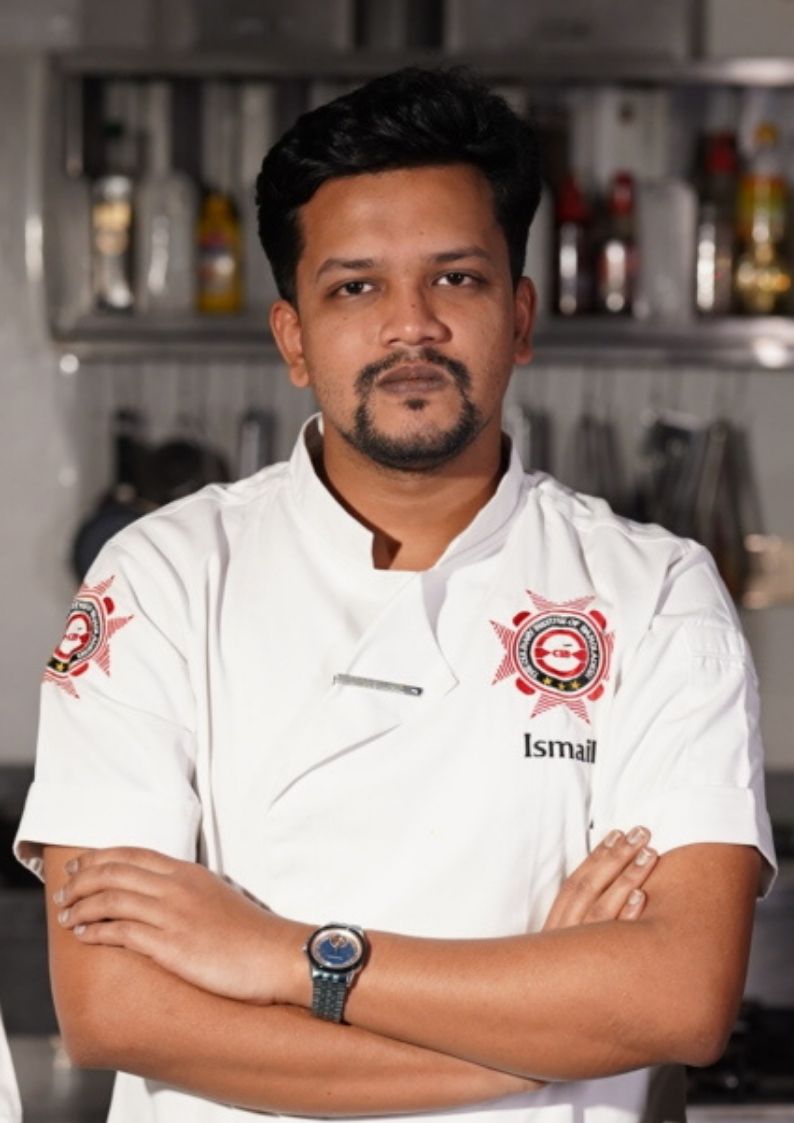
Dewan Ismail


The Secret to Restaurant Profitability: A Masterclass in Food Costing
(To be translated into Bengali)
In the culinary industry, passion puts the food on the plate, but math keeps the lights on. Many talented chefs fail in business not because of their cooking, but because they lack a systematic approach to restaurant food costing. In 2026, with rising ingredient prices and high competition, mastering your margins is the only way to survive. This masterclass breaks down the professional formulas used by top-tier executive chefs to ensure consistent profitability.
1. The Foundation: What is Food Cost Percentage?
Food cost percentage is the ratio of the cost of ingredients to the revenue those ingredients generate. A healthy food cost percentage for a high-end restaurant in Dhaka typically ranges from 25% to 35%. If your food cost is 40% or higher, your restaurant profitability is at serious risk.
At The Culinary Institute of Bangladesh (CIB), we teach our entrepreneur students that every gram counts. Our mentors, like Dewan Ismail, emphasize that 'You can't manage what you don't measure.'
2. The Master Formula for Food Costing
To price your menu like a pro, you must master the Standardized Recipe Costing formula. This involves calculating the cost of every single ingredient in a dish, down to the salt and oil.
The Formula:
Total Recipe Cost / Desired Food Cost Percentage = Ideal Menu Price
For example, if the ingredients for a pasta dish cost BDT 150 and you want a 30% food cost: 150 / 0.30 = BDT 500 (Ideal Selling Price)
However, professional costing goes deeper. You must also account for Yield Percentage (the amount of usable product after trimming and cooking) and Waste Factors.
3. Controlling Waste: The Invisible Profit Killer
Waste is the primary reason for low profitability. Industrial kitchens manage this through strict ISO-HACCP compliant inventory systems. CIB's commercial kitchen facility is designed to train students in 'Zero Waste' workflows.
Strategies to Combat Waste:
- First In, First Out (FIFO): Rotating stock to prevent spoilage.
- Yield Analysis: Tracking how much weight is lost when butchering meat or cleaning vegetables.
- Portion Control: Using standardized tools (scales, scoops) to ensure every customer gets the exact same amount.
4. Menu Engineering for Maximum Margins
Not all dishes are created equal. Menu engineering involves analyzing the popularity and profitability of every item. A professional chef categorizes dishes into:
- Stars: High profit, high popularity (Promote these!).
- Plowhorses: Low profit, high popularity (Re-cost these!).
- Puzzles: High profit, low popularity (Market these!).
- Dogs: Low profit, low popularity (Remove these!).
Learning these business models is a core part of CIB's Professional Chef Courses, ensuring our graduates are prepared for executive chef roles where they are responsible for the restaurant's bottom line.
5. The Role of Technology in Costing
In 2026, manual spreadsheets are being replaced by automated inventory management systems. At CIB, we introduce our students to the digital tools used in modern commercial kitchens to track real-time food costs and trigger alerts when ingredient prices spike.
Mastering these tools is what separates a traditional cook from a modern culinary executive. If you are ready to master the business of food, check our Admission Portal for upcoming entrepreneurship modules.
Frequently Asked Questions
What is a 'good' food cost percentage for a restaurant in Dhaka?
While it varies by concept, 28% to 32% is generally considered the 'Sweet Spot' for profitability in Dhaka's high-end dining sector. Cloud kitchens can sometimes operate at a slightly higher food cost (up to 35%) due to lower overheads.
How often should I re-calculate my food costs?
In a volatile market, you should review your costs at least once a month. If there is a sudden spike in a key ingredient (like oil or imported meat), you may need to adjust your menu or supplier immediately.
Does CIB teach the business side of the restaurant industry?
Yes. Our curriculum goes far beyond cooking. We have dedicated modules on Food Costing, Menu Engineering, and Food Business Licensing to prepare our students for business ownership.
How can I reduce food cost without sacrificing quality?
The best way is through better supplier negotiation, bulk purchasing of non-perishables, and mastering high-yield butchery techniques. These are all practical skills taught in our commercial labs.
What is the most common mistake in restaurant food costing?
Ignoring the 'hidden' costs like seasonings, frying oil, and garnishes. Small costs add up. If you don't account for every BDT 5 of oil used, you could be losing thousands in profit every month.
কুইক অ্যানসারস (PAA)
ভয়েস ও সার্চ ইঞ্জিন FAQ
Understanding restaurant food costing is crucial for career advancement. It ensures you meet industry standards, allowing you to secure premium positions in 5-star hotels and international markets.
CIB provides intensive, 100% practical training specifically designed around restaurant food costing. Our NSDA-accredited curriculum ensures you gain hands-on experience under the guidance of Master Chefs.
Yes. International recruiters in the Gulf and Europe heavily prioritize restaurant food costing. Demonstrating competency in this area significantly boosts your chances of passing practical trade tests.
Professionals skilled in restaurant food costing can expect starting salaries of 25,000-45,000 BDT locally, and 65,000-95,000 BDT in international 5-star placements. Executive positions pay substantially more.
সচরাচর জিজ্ঞাসিত প্রশ্নাবলী (FAQ)
Why is restaurant food costing important for culinary professionals?
How can CIB help me master restaurant food costing?
Is restaurant food costing relevant for jobs abroad?
What is the average salary after learning restaurant food costing?
Does restaurant food costing training include certification?