Eat with Your Eyes: Mastering Modern Food Plating Techniques
Lead Analyst
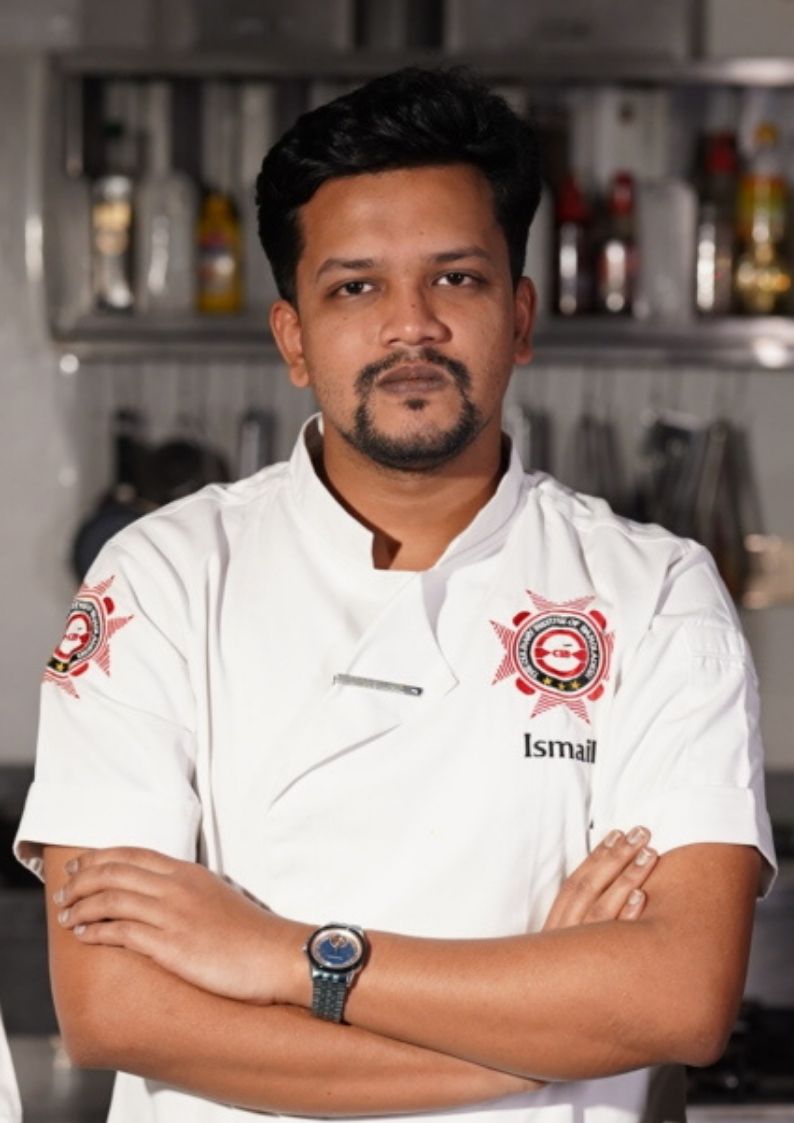
Dewan Ismail


Eat with Your Eyes: Mastering Modern Food Plating Techniques
The old culinary adage 'we eat with our eyes first' has never been more relevant than in 2026. In the age of social media and visual gastronomy, the presentation of a dish is the first point of contact between a chef and their guest. Mastering modern food plating techniques is what separates a skilled cook from a professional culinary artist. It is the final, vital step in the journey of a dish, where technical skill meets aesthetic vision.
At the Culinary Institute of Bangladesh (CIB), we treat plating as a core discipline. Our students are trained to see the plate as a canvas, using color, texture, and geometry to create high-end restaurant-style dishes. Under the mentorship of industry veterans like Dewan Ismail, you will learn the secrets of 5-star presentation.
1. The Principles of Balance and Composition
Effective plating is about harmony. You must consider the balance of colors, the variety of textures, and the negative space on the plate.
The Rule of Odds:
In food plating techniques, elements often look more natural when arranged in odd numbers (3, 5, or 7). This creates a sense of visual movement that leads the eye across the dish.
Focal Point:
Every dish needs a focal point—usually the protein. All other elements, from the starch to the garnish, should be arranged to highlight and complement this central piece. Our Expert Culinary Mentors emphasize that the plate should never look 'crowded'; every element must have a reason for being there.
2. Using Texture as a Visual Tool
Texture is not just a mouthfeel; it is a visual element. A professional chef uses contrasting textures to create depth on the plate.
- The Base: A smooth, silky puree (like pea or celery root) provides a clean background for other elements.
- The Crunch: Elements like crumbles, crisps, or toasted nuts add verticality and visual interest.
- The Garnish: Delicate micro-greens and edible flowers provide a final layer of sophistication.
Learning these layering techniques is a key part of our Professional Chef Courses. We teach students how to use specialized tools like squeeze bottles, offset spatulas, and plating tweezers to achieve surgical precision in their work.
3. The Power of Sauce: From Smears to Drops
Sauce is the element that ties a dish together both in flavor and in visual appeal. Modern plating has moved away from heavy gravies toward precise, artistic applications.
- The Smear: Using the back of a spoon to create a dynamic sweep of sauce.
- The Dot: Precise drops of oil or reduction to add vibrant pops of color.
- The Foam: Using an immersion blender to create light, airy foams that add a futuristic, high-end feel.
These techniques align with international ISO-HACCP standards, as they allow for precise portion control and minimize waste—an essential skill for anyone aiming for executive chef roles.
4. Color Theory in Gastronomy
A professional chef understands how color affects the guest's perception. Vibrant, contrasting colors suggest freshness and vitality. We teach our students how to use the 'Natural Palette' of ingredients to create visually stunning plates without the need for artificial dyes.
For example, pairing a seared white scallop with a bright orange carrot puree and dark green herb oil creates a high-contrast, luxury aesthetic. This level of visual mastery is what allows our graduates to secure chef jobs abroad in some of the world's most beautiful resorts.
5. Elevating Your Brand through Presentation
In 2026, your plating is your business card. High-quality presentation is the primary driver of personal branding for chefs on digital platforms. A well-plated dish can go viral, attracting both customers and high-end job offers.
Our Certificate Verification System ensures that your technical proficiency is recognized, but your plating is what will get you noticed. Ready to master the art of the plate? Explore our Admission page for the next batch of future culinary artists.
About the Author
Dewan Ismail is the Principal and Lead Culinary Mentor at the Culinary Institute of Bangladesh (CIB). With over two decades of experience in high-end culinary arts and hospitality management, he has trained thousands of aspiring chefs who now lead kitchens in 5-star hotels globally. He is a certified ISO-HACCP professional and holds advanced credentials from the UK. Under his leadership, CIB has become the nexus of culinary excellence in South Asia.
Learn more about our Expert Culinary Mentors →
Frequently Asked Questions
What are the must-have tools for modern plating?
An offset spatula, a set of plating tweezers, squeeze bottles for sauces, and a precise set of plating spoons (like Kunz spoons) are essential for a professional kit.
Should I always use a white plate for the best presentation?
While white plates provide a neutral 'canvas' that makes colors pop, modern chefs also use slate, dark stone, or textured ceramic to create different moods for their dishes.
How can I keep food warm while taking time to plate carefully?
The key is 'Mise en Place'. Have all your elements ready and warm. Work efficiently and avoid over-complicating the plate so that it reaches the guest at the perfect temperature.
Are edible flowers necessary for a 5-star look?
They aren't 'necessary', but they add a layer of refinement. However, a chef should only use garnishes that complement the flavor profile of the dish.
Does CIB teach food photography along with plating?
While our focus is on the culinary technique, we do provide guidance on how to present and document your work for professional portfolios and social media branding.
Quick Answers (PAA)
Voice & Search Engine FAQs
Understanding food plating techniques is crucial for career advancement. It ensures you meet industry standards, allowing you to secure premium positions in 5-star hotels and international markets.
CIB provides intensive, 100% practical training specifically designed around food plating techniques. Our NSDA-accredited curriculum ensures you gain hands-on experience under the guidance of Master Chefs.
Yes. International recruiters in the Gulf and Europe heavily prioritize food plating techniques. Demonstrating competency in this area significantly boosts your chances of passing practical trade tests.
Professionals skilled in food plating techniques can expect starting salaries of 25,000-45,000 BDT locally, and 65,000-95,000 BDT in international 5-star placements. Executive positions pay substantially more.
Frequently Asked Questions (FAQ)
Why is food plating techniques important for culinary professionals?
How can CIB help me master food plating techniques?
Is food plating techniques relevant for jobs abroad?
What is the average salary after learning food plating techniques?
Does food plating techniques training include certification?