
Starting a food business in Bangladesh is one of the most rewarding yet challenging ventures you can undertake. With a growing middle class and an insatiable appetite for diverse cuisines, the market in Dhaka, Chattogram, and beyond is ripe for innovation. However, the gap between a "great recipe" and a "profitable restaurant" is often wider than most realize.
Whether you are dreaming of a cozy café, a high-volume cloud kitchen, or a fine-dining establishment, success requires more than just good taste. It requires a strategic understanding of licensing, food safety standards, and operational efficiency. In this guide, we’ll break down the roadmap to launching a successful culinary venture in the current Bangladeshi market.
Why Food Business Licensing and Compliance Are Non-Negotiable
The landscape of the Bangladeshi food industry has shifted toward stricter regulation. The Bangladesh Safe Food Authority (BFSA) and local city corporations have increased oversight to ensure public health. Navigating these requirements is the first hurdle for any entrepreneur.
To operate legally, you generally need to secure a Trade License, TIN/VAT registration, and Fire Safety clearance. For a detailed breakdown of common industry questions regarding these requirements, visit our Culinary FAQ page.
Scaling Your Concept: Cloud Kitchen vs. Dine-In
In 2026, the food business in Bangladesh isn't restricted to four walls and a storefront. The rise of delivery platforms has made the "Cloud Kitchen" model highly attractive for entrepreneurs with limited capital.
| Feature | Cloud Kitchen | Traditional Dine-In |
|---|---|---|
| Initial Investment | Low to Moderate | High (Rent & Decor) |
| Location Importance | Low (Delivery focus) | Critical (Foot traffic) |

How CIB Prepares You: The Professional Standard
Here’s the reality: most food businesses fail within the first two years due to poor cost control and inconsistent food quality. At the Culinary Institute of Bangladesh (CIB), we don't just teach you how to cook; we teach you how to run a kitchen as a business.
Our curriculum is led by expert culinary mentors like Dewan Ismail. We focus on the "Professional Standard" that international hotels and top-tier restaurants demand. When you hire staff or graduate from our professional courses, you can verify credentials instantly via our Certificate Verification System.
Mastering the Menu: Quality over Quantity
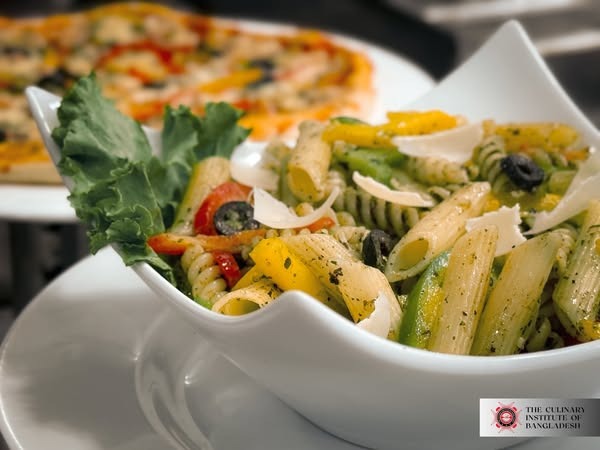
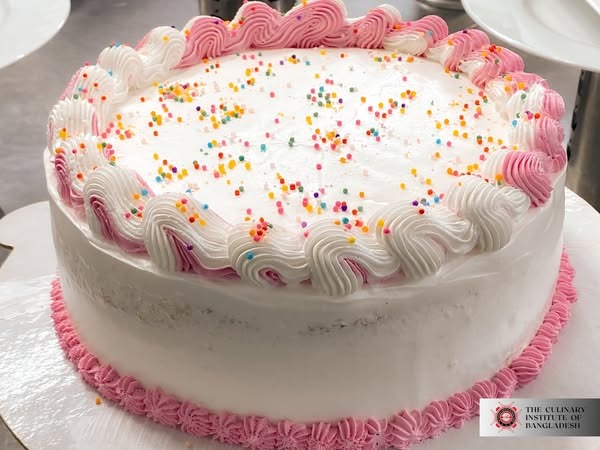
A common mistake in the food business in Bangladesh is offering a 50-page menu. Instead, focus on a "Signature" approach. Master a few high-quality items—be it a perfect pasta or a signature cake—and build your brand around them.
Frequently Asked Questions (FAQ)
Q: How much capital do I need to start a small food business in Dhaka?
A: For a cloud kitchen, you can start with 5–10 Lakh BDT. For a small café, expect to invest 20–40 Lakh BDT depending on the location and equipment quality.
Q: Is professional training mandatory for owners?
A: While not legally required, the failure rate for untrained owners is significantly higher. Understanding food costing and waste management is the difference between profit and loss.
Your Next Step in Culinary Excellence
The food industry in Bangladesh is moving toward international standards. If you want to build a lasting brand, you need the right foundation. Learn more about our mission at CIB.